Artificial Intelligence Without the Hype
Artificial intelligence is changing how organisations work, how decisions are made and, increasingly, how those decisions affect people. Understanding it requires more than knowing what the technology can do. It means asking where it works, where it fails, how much we should trust it and who should be responsible when things go wrong.
These articles explore artificial intelligence from a practical and professional perspective. They look at subjects including AI testing, quality, ethics, governance, risk, regulation and the challenges of introducing AI into real organisations.
Some explain technical ideas without requiring a technical background. Others examine the wider questions raised by AI: bias and fairness, human oversight, accountability, trust, and the growing responsibilities of the people and organisations that build, buy and use these systems.
The aim is not to celebrate AI or to fear it, but to understand it well enough to ask better questions and make better decisions.
Understand the technology. Question the claims. Consider the consequences.
Our AI-related Articles

Red Teaming
Red teaming takes an adversarial approach to testing, deliberately challenging systems to uncover weaknesses, unexpected behaviours and vulnerabilities before they can cause real problems.

AI and Requirements
Can AI replace traditional requirements gathering? This article examines where AI can accelerate analysis and documentation, where human judgement remains essential, and why the strongest approach combines the two.

The AI Ethicist
As AI becomes embedded in organisational decision-making, who should challenge what ought to be done, not merely what can be done? This article explores the emerging role of the AI Ethicist and whether organisations increasingly need a dedicated ethical voice.
AI and Bias
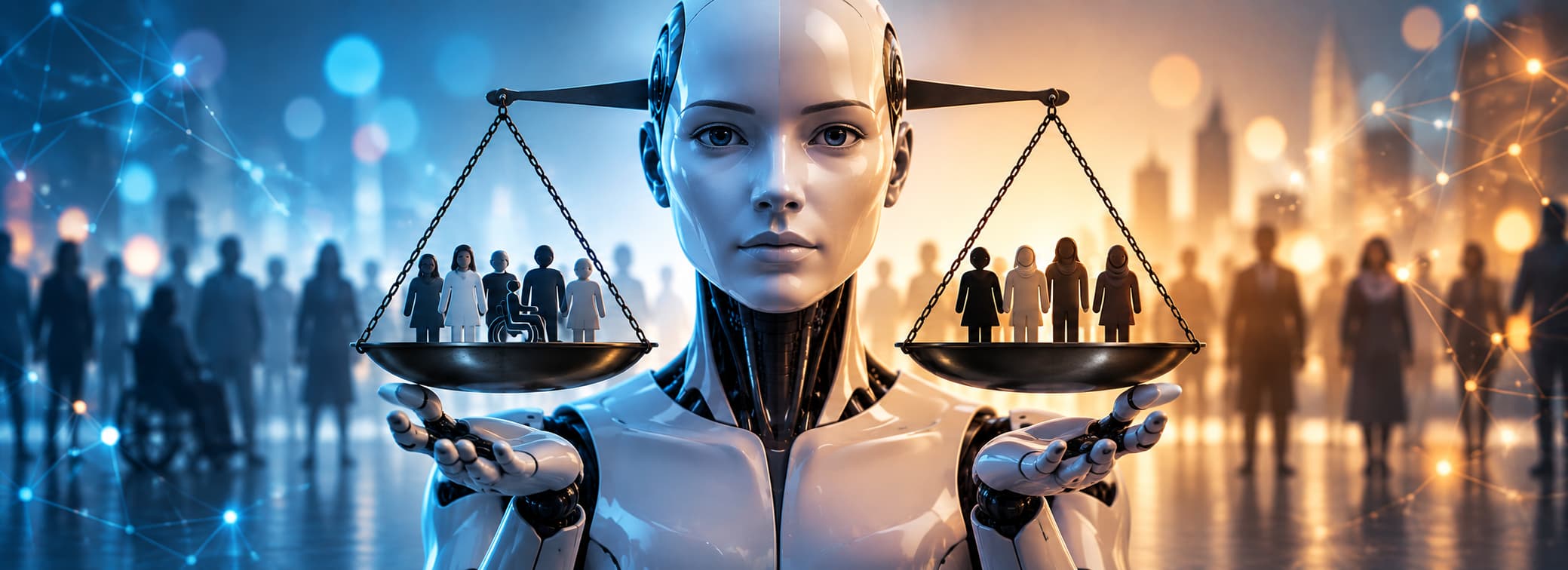
Bias can enter an AI system long before a model is built — and remain hidden inside impressive results. This article explores where bias comes from, how project teams and testers can uncover it, and what can be done when they do.

EU AI Act
The EU AI Act introduces a new regulatory framework for artificial intelligence. This article explains who it applies to, how AI systems are classified, the obligations that follow, and what organisations need to do in practice.

EU AI Act
AI systems can depend heavily on personal data, but using AI does not weaken an organisation's data-protection responsibilities. This article explains how GDPR applies to AI projects, from training data and lawful basis to transparency, automated decisions, DPIAs and individual rights.